Human rights is one of the main topics in social advocacy. As it is still under debate whether or not it gives the people the sense of justice and dignity they deserve. However in today’s society, not everyone has the privilege to have their human rights. So, what are human rights? Who has human rights? Why does human rights matter in our world? Do we get the fair distribution of human rights? Lastly, how can we solve this current problem in the whole of humanity?
“A right is not what someone gives you; it’s what no one can take from you.”
— Ramsey Clark
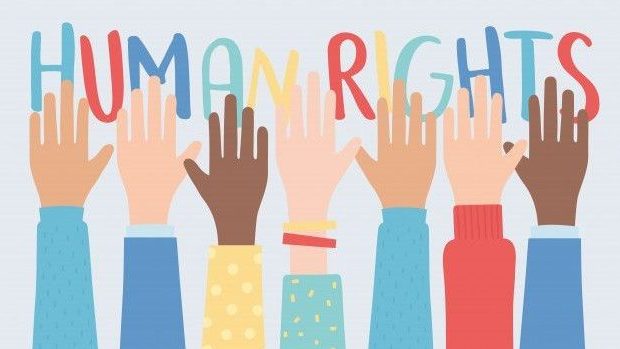
Human rights are inherent and universal freedoms that protect people’s dignity, guaranteeing fair treatment regardless of factors such as race, gender, or religion. However, due to unconscious norms in our society, only those who are privileged based on their colour, gender, and even beliefs have human rights. Thus, there are only a number of individuals that receive fair treatment and a sense of justice. Human rights are crucial because they establish the foundation for a just and equal society. They protect individuals from discrimination, ensure basic freedoms, and promote dignity. Upholding human rights fosters social harmony, justice, and the overall well-being of communities worldwide. The fair distribution of human rights continues to be a complex issue, marked by variations in implementation and enforcement on a global scale. Factors such as socio-economic disparities, cultural norms, and political situations can influence how human rights are experienced by individuals and communities especially in the current status of our technology, where it can be abused by others to influence and control one’s perspective and behaviour in regards to certain issues. Addressing this society’s current problem, solving unfair human rights issues today involves raising awareness, advocating for policy changes, supporting relevant organizations, encouraging open dialogue, and promoting inclusivity. Collaboration on local, national, and global levels is key to achieving lasting solutions that uphold human rights for all.
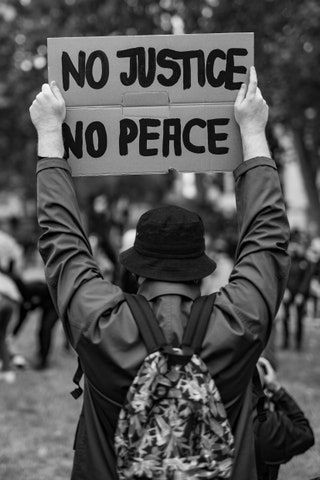
“You don’t change the world with the ideas in your head, but with the conviction in your heart.”
— Bryan Stevenson
Addressing this challenge involves raising awareness, advocating for policy changes, supporting relevant organizations, fostering dialogue, and promoting inclusivity. Collaborative efforts at various levels are essential to achieve enduring solutions and ensure human rights for everyone globally.
To conclude, human rights, designed to safeguard dignity and fairness universally, encounter obstacles from societal norms favouring specific groups. Upholding these rights is essential for a just and equal society, shielding individuals from discrimination.


Leave a Reply